BCzTPA Specification: The Future of Organic Eletronics
The domain of organic light-emitting diodes (OLEDs) is expansive and continuously evolving. Among the diverse materials and compounds propelling this technology, BCzTPA emerges as a key material in the OLED stack.
Understanding BCzTPA
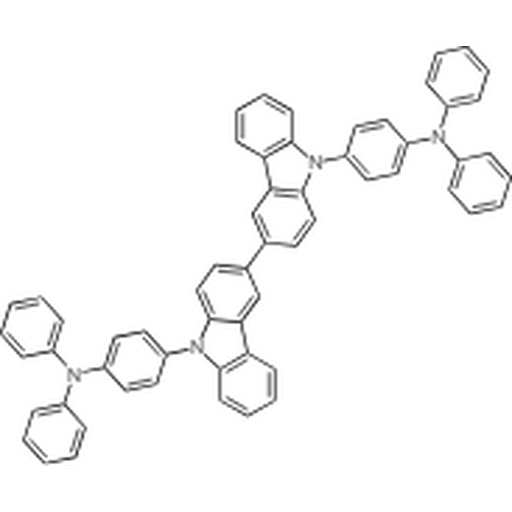
BCZTPA, fully known as 4,4′-(9H,9’H-3,3′-Bicarbazole-9,9′-diyl)bis(N,N-diphenylaniline), is a compound with a unique molecular structure. This makes it an invaluable material in organic electronic devices, particularly in OLEDs.
Key Features of BCzTPA
- Thermally Activated Delayed Fluorescence (TADF): One of the most significant features of BCzTPA is its ability to act as a TADF material. This property is essential for the advancement of OLEDs, particularly in the context of Thermally Activated Delayed Fluorescence.
- Hole Transport Layer (HTL) Material: Owing to its specialized molecular structure, BCzTPA is widely used as a material in hole transport layers. This systematic utilization ensures that OLEDs operate efficiently and have extended lifetimes.
- Versatile Host Material: BCzTPA serves as a host material for various types of OLEDs, including those emitting different colors. This versatility enhances its applicability across a broad range of OLED technologies.
The Role of BCzTPA in Modern OLEDs
Modern OLEDs require materials that offer high efficiency, durability, and low energy consumption. BCzTPA, with its unique attributes, aligns perfectly with these demands. Its role as a TADF and HTL material, along with its versatility as a host, ensures its continued significance in the OLED industry.
Conclusion
The OLED sector is dynamic, with an ever-increasing demand for efficient and durable materials. BCzTPA, endowed with its unique properties and functionalities, is poised to play a crucial role in the future of organic electronics. As research progresses and technology advances, it is evident that BCzTPA will find an expanding array of applications in organic electronic devices.