BTB: The Pinnacle of OLED Innovation
The ever-expanding universe of organic light-emitting diodes (OLEDs) is fueled by a multitude of materials and compounds. Among them, BTB C34H28N6 stands as a cornerstone in the OLED technology stack.
Understanding BTB
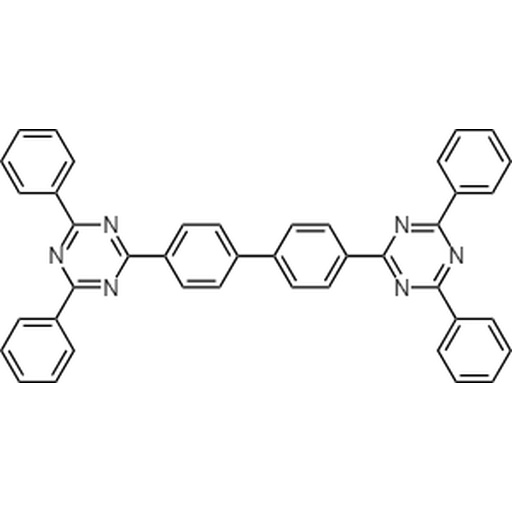
BTB, fully known as 4,4′-Bis(4,6-diphenyl-1,3,5-triazin-2-yl)biphenyl, is a chemical compound with a unique molecular structure. This compound is particularly significant in the realm of organic electronic devices, including OLEDs.
Key Features of BTB
- Electron Transport Layer (ETL) Material: Due to its unique chemical properties i.e. two triazine units, BTB serves as an excellent material in electron transport layers, ensuring OLEDs operate efficiently and have extended lifetimes.
- Hole Blocking Layer (HBL) Material: BTB is also utilized as a hole blocking layer material, which is crucial for the balanced transportation of electrons and holes in OLED devices.
- TADF Material: BTB plays a vital role in Thermally Activated Delayed Fluorescence (TADF) OLEDs, contributing to their high efficiency and longevity.
- Host Material: In addition to its other roles, BTB is used as a host material in various OLED configurations, enhancing their overall performance. It can be used as a phosphorescent host material for red and green light-emitting diodes.
The Role of BTB in Modern OLEDs
In the current landscape of OLED technology, materials that offer high efficiency, durability, and low energy consumption are in high demand. BTB, with its multifaceted properties, is perfectly aligned with these requirements. Its role as an ETL and HBL material ensures that OLEDs not only function efficiently but also have a longer lifespan.
Conclusion
The OLED industry is continuously evolving, driven by the need for materials that are both efficient and durable. BTB, with its unique set of properties and functionalities, is poised to play a significant role in shaping the future of OLED technology. As research progresses and technology advances, BTB is expected to find an increasing number of applications in organic electronic devices.