CDBP: Enhancing OLED Performance with Advanced Material Science
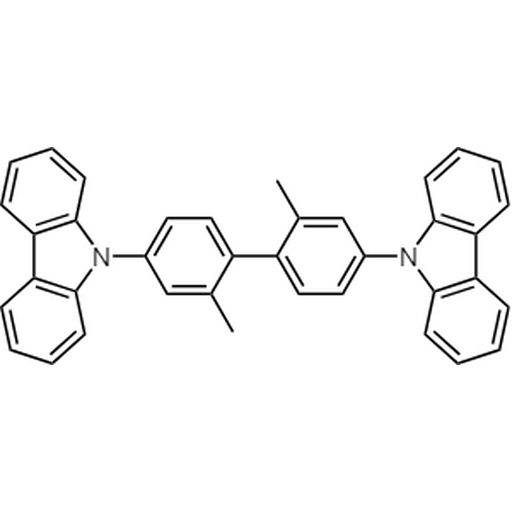
CDBP, known as 4,4′-Bis(9-carbazolyl)-2,2′-dimethylbiphenyl, with its CAS number 120260-01-7, marks a significant advancement in OLED technology. Its molecular formula C38H28N2 and high purity levels position it as an essential material for host, hole transport layers (HTL), exciton blocking layers, and TADF applications in OLEDs.
Molecular Structure and Properties of CDBP
CDBP’s effectiveness in OLEDs is attributed to its unique molecular structure. The compound combines carbazole units with a dimethylbiphenyl core, resulting in a high HOMO level of 6.1 eV and a LUMO level of 2.7 eV. This structure enables efficient hole transport and effective exciton confinement, crucial for enhancing OLED device performance.
We offer CDBP with a purity exceeding 99.0%, as certified by HPLC analysis. Such high purity is vital for maintaining consistent performance in OLEDs, contributing to device reliability and efficiency.
Key Features of CDBP
- Efficient Hole Transport: CDBP’s molecular design facilitates superior hole transport, a key factor in the performance of OLED devices. This property ensures smooth charge transfer, enhancing overall device efficiency and brightness.
- Efficient Host Material: CDBP is a great material for green, blue, red and even white OLEDs, especially the TADF ones.
- Exciton Blocking Efficiency: CDBP serves as an effective exciton blocking material, preventing exciton quenching and improving the luminous efficiency of OLED displays. This characteristic is crucial for high-quality, energy-efficient OLED screens.
- Versatility in OLED Applications: CDBP’s compatibility with various OLED architectures makes it suitable for a wide range of applications, including both fluorescent and phosphorescent systems. This versatility allows for innovative and adaptable OLED design, leading to more efficient and diverse electronic displays.
The Role of CDBP in Advancing OLED Technology
CDBP stands as a cornerstone in OLED material innovation, meeting the industry’s demands for efficiency, longevity, and versatility. Its robust structure and electronic properties not only enhance OLED device performance but also play a pivotal role in achieving higher energy efficiency and longer device lifespans. The unique molecular configuration of CDBP, particularly its ability to facilitate efficient hole transport and exciton blocking, directly translates into brighter and more vibrant displays with reduced power consumption. Furthermore, CDBP’s versatility makes it an ideal material for a wide range of OLED applications, from small-scale mobile displays to large-area TVs, enabling manufacturers to push the boundaries of what’s possible in OLED technology. By improving the performance parameters of OLED devices, CDBP contributes significantly to the development of more sustainable and cost-effective electronic displays, aligning with the growing global focus on energy conservation and eco-friendly technology solutions.
Conclusion
CDBP represents a significant stride in OLED material science, pushing the boundaries of efficiency and versatility in organic electronics. As a leading OLED material supplier, our commitment to providing high-purity CDBP positions us at the forefront of OLED innovation, driving the industry towards brighter and more sustainable future technologies.