DTAF: A Pivotal Material in Organic Light-Emitting Diode Technology
The rapid advancements in organic electronics have ushered in a new era of efficient and sustainable devices. At the heart of this progress lies DTAF, a material that has garnered significant attention for its role in organic light-emitting diodes (OLEDs). Its unique chemical structure and inherent properties make it a prime candidate for various applications within the OLED domain.
Understanding DTAF
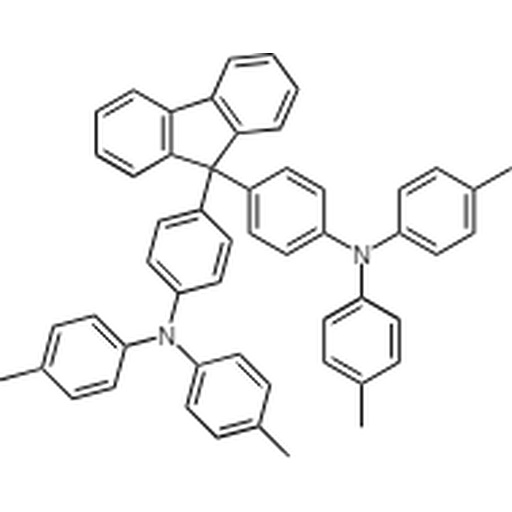
9,9-di[4-(di-p-tolyl)aminophenyl]fluorine, commonly known as DTAF, is a fluorene derivative with two N,N-di-p-tolylaniline molecules attached. This specific molecular configuration imparts certain electronic properties to DTAF, making it particularly suitable for OLED applications.
Key Features of DTAF
- Electron-Rich Structure: DTAF’s electron-rich configuration makes it an ideal candidate for layers that transport holes or block electrons in OLED devices.
- Exciplex Formation: DTAF can form exciplexes with other electron-deficient materials. When combined with materials like PO-T2T, it produces a yellow exciplex emission. Exciplexes, being excited-state complexes formed between two distinct molecules, hold immense potential in the OLED industry due to their efficiency as TADF materials.
- Versatility in OLEDs: Beyond its primary role as a hole transport layer (HTL) or electron blocking layer (EBL), DTAF’s chemical structure allows it to be used in various other capacities within the OLED framework, enhancing device performance and efficiency.
DTAF in Organic Electronics
The organic electronics sector has witnessed a surge in the adoption of materials that offer both efficiency and versatility. DTAF, with its electron-rich nature and ability to form exciplexes, stands out as a material of choice for OLED manufacturers. Its compatibility with a range of other materials and its role in enhancing surface morphology make it indispensable in the production of high-performance polymer solar cells.