PDINO: The Pinnacle of Cathode Interlayer Materials in Organic Electronics
In the dynamic world of organic electronics, PDINO emerges as a standout material. Its electron-deficient characteristics combined with its pivotal role as a cathode interlayer material underscore its significance in the ongoing progress of organic electronics.
Understanding PDINO
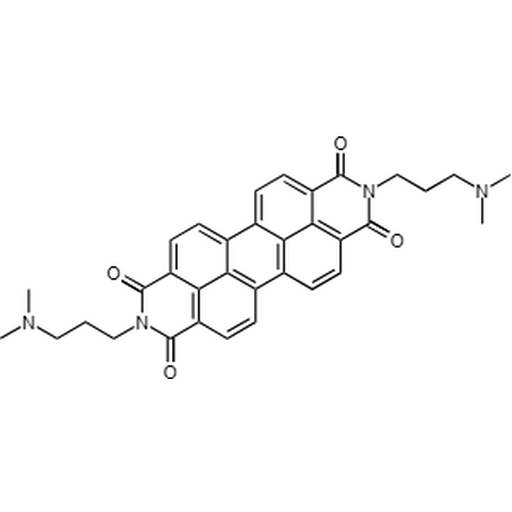
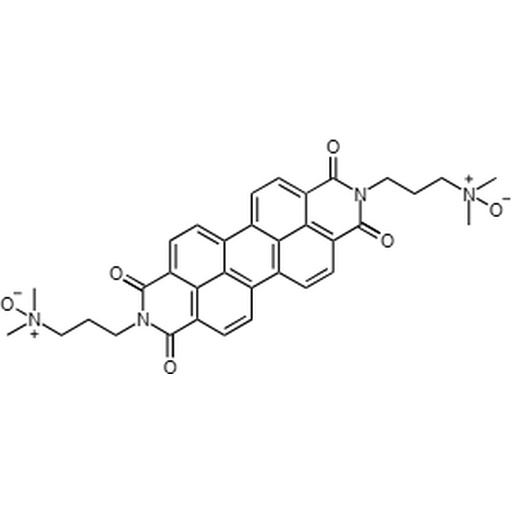
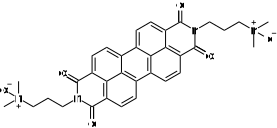
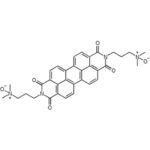
PDINO, scientifically known as N,N’-Bis(N,N-dimethylpropan-1-amine oxide)perylene-3,4,9,10-tetracarboxylic diimide, is a unique compound that stands out due to its intricate molecular structure. PDINO is a compound featuring an amino N-oxide group attached to perylenediimide (PDI) with flat, electron-rich π-conjugated structures, serves as a frequently employed material for cathode interlayers.This specific arrangement grants PDINO its electron-deficient nature, a characteristic that plays a pivotal role in its applications in optoelectronic devices.
Key Features of PDINO
- Electron Transport in OLEDs and OPVs: Due to its π-electron structure (π-delocalised system) and high electron affinity, PDINO is an exemplary electron transport layer material in organic photovoltaic devices and OLEDs.Perylene-based compounds are known for their unique electronic and optical properties. They are often used in the development of organic semiconductors, dyes, and pigments.
- Cathode Interlayer Material: Its electron-deficient nature makes PDINO a preferred choice for cathode interlayer materials. PDINO-based devices perform well when high work function metals such as gold (Au) and silver (Ag) are used as cathodes. This versatility makes PDINO a practical choice for various photovoltaic applications, even those requiring specific cathode materials.
- Efficient Charge Collection and Versatile Compatibility: PDINO finds its application in organic solar cells, facilitating efficient charge transport and collection. It is compatible with various organic photovoltaic materials and allows for a wide range of interlayer thicknesses, resulting in high-performance photovoltaic devices.
The Role of PDINO in Advanced Organic Electronics
In the world of organic electronics, PDINO has carved a niche for itself, primarily as a cathode interlayer material. Its electron-deficient nature, coupled with its π-electron structure, makes it an ideal candidate for this role. Moreover, PDINO has shown compatibility with metals like Al, Au, and Ag when employed as a cathode, further expanding its utility.
Conclusion
The organic electronics industry is in a constant state of evolution, with materials like PDINO leading the charge. With its unique molecular structure and a plethora of beneficial features, PDINO is set to play a transformative role in the future of optoelectronic devices. As research continues and technology advances, it’s evident that PDINO will find even more applications, solidifying its position as a cornerstone material in organic electronics.