PPDN: The High-Purity Material Advancing OLED Technology
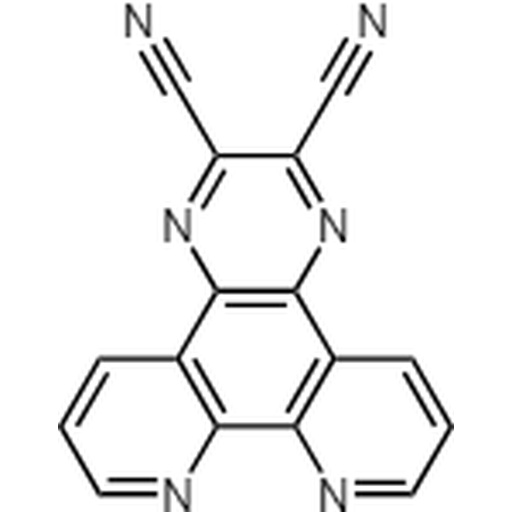
The relentless pursuit of innovation in the organic electronics industry has led to the development of materials like PPDN, which are critical in advancing OLED technology. Pyrazino[2,3-f][1,10]phenanthroline-2,3-dicarbonitrile, or PPDN, is a compound that has become synonymous with high performance in OLED devices.
Understanding PPDN
PPDN is a molecule that emerges from the fusion of phenanthroline and pyrazine, adorned with two cyano groups. This structure renders the compound electron-deficient, making it an ideal candidate for various critical layers in OLEDs, including the Electron Transport Layer (ETL), Hole Blocking Layer (HBL), and Hole Injection Layer (HIL).
Key Features of PPDN
The molecular structure of PPDN confers several benefits that are essential for the efficient operation of OLEDs:
- Electron Transport Layer (ETL) Material: PPDN’s electron-deficient nature makes it a superior material for facilitating electron transport within OLED devices.
- Hole Injection Layer (HIL) Material: It also plays a pivotal role as a hole injection material, improving the interface between the anode and organic layers in OLEDs.
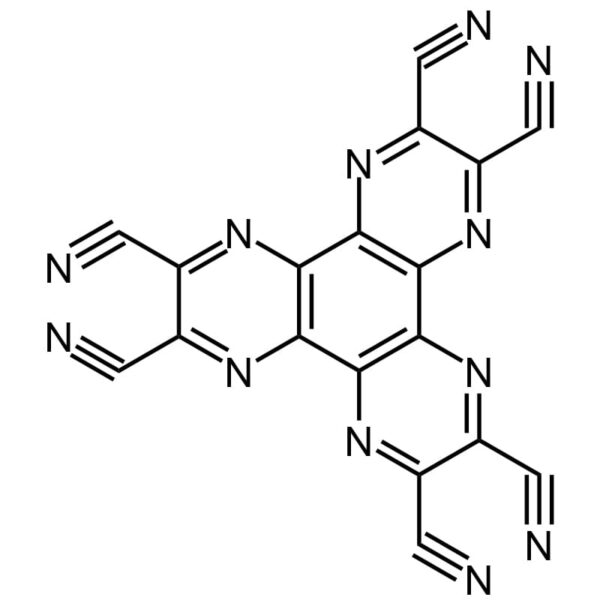
- Enhanced Device Properties: When combined with materials like HATCN, PPDN has been shown to improve the overall properties of OLED devices, including their processing capabilities.
The Role of PPDN in Modern OLEDs
PPDN’s role in modern OLEDs is multifaceted and critical. As an ETL material, it ensures that electrons are transported effectively across the device, reducing energy loss and improving the luminous efficiency. In the capacity of an HIL material, PPDN contributes to the stability and longevity of OLEDs by facilitating smooth hole injection, which is essential for maintaining the balance of charge carriers in the device.
Noctiluca offers PPDN with a purity of over 99.0% as confirmed by HPLC, setting a benchmark for quality in the industry. This level of purity is critical for the development of high-performance electronic devices.
Conclusion
The role of PPDN in modern OLEDs is indispensable. With its superior electron transport and hole injection capabilities, PPDN is setting new standards in the industry, driving the development of next-generation OLED technology.