PXZ-TRZ: Elevating Green Emission in OLED Technology
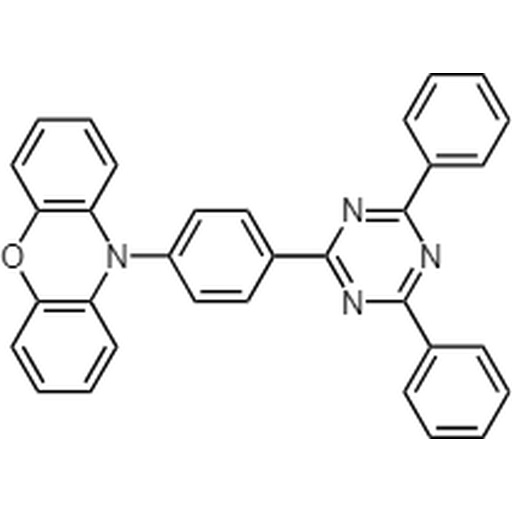
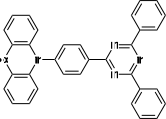
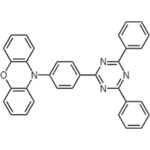
The organic electronics landscape is continually evolving, and PXZ-TRZ stands out as a pivotal compound in this progressive domain. With its unique structure combining phenoxazine and triphenyltriazine units, PXZ-TRZ is a green emitter that has revolutionized the field of OLEDs through its donor-acceptor configuration.
Understanding PXZ-TRZ
PXZ-TRZ, or 10-(4-(4,6-Diphenyl-1,3,5-triazin-2-yl)phenyl)-10H-phenoxazine, is a compound known for its maximum emission wavelength of 545 nm in toluene solution. This molecule is not just a green fluorescent dopant material but also serves as a host or co-host in TADF OLEDs, showcasing its versatility and importance in the industry.
Key Features of PXZ-TRZ
- Donor-Acceptor Structure: The electron-donating phenoxazine coupled with the electron-accepting triphenyltriazine results in a compound that not only emits efficiently but also has a high quantum yield.
- Green Fluorescent Dopant: As a dopant, PXZ-TRZ imparts a vibrant green hue to OLEDs, enhancing the color gamut of displays.
- TADF Material: The thermally activated delayed fluorescence of PXZ-TRZ makes it a prime candidate for energy-efficient OLEDs, contributing to longer device lifespans.
The Role of PXZ-TRZ in OLED Innovation
PXZ-TRZ’s role in OLEDs extends beyond its green emission. Its thermal stability and efficient energy transfer mechanisms are crucial for developing advanced OLED displays with superior brightness and longevity. Noctiluca’s offering of PXZ-TRZ with a purity of over 99.0% (HPLC) ensures that manufacturers have access to high-quality materials for cutting-edge OLED fabrication.
Conclusion
PXZ-TRZ stands as a testament to the innovative strides being made in organic electronics, reflecting the sector’s commitment to advancing display technologies. Its multifunctional applications, from green fluorescent doping to hosting capabilities, underscore its versatility and high-performance characteristics. As a cornerstone in the development of next-generation OLED technology, PXZ-TRZ is pivotal in achieving more energy-efficient and vibrant displays. The material’s integration into OLEDs paves the way for devices that are not only more sustainable but also offer superior visual quality. Ultimately, PXZ-TRZ is instrumental in shaping the future of electronics, where the fusion of science and technology creates brighter, greener, and more efficient displays.