PDIN: A Pioneering Material in Organic Electronics
The field of organic electronics is continually advancing, and materials like PDIN are at the forefront of this progression. Recognized for its electron-transporting capabilities and its role as a cathode interlayer material, PDIN exemplifies the innovations in the organic electronics sector.
Understanding PDIN
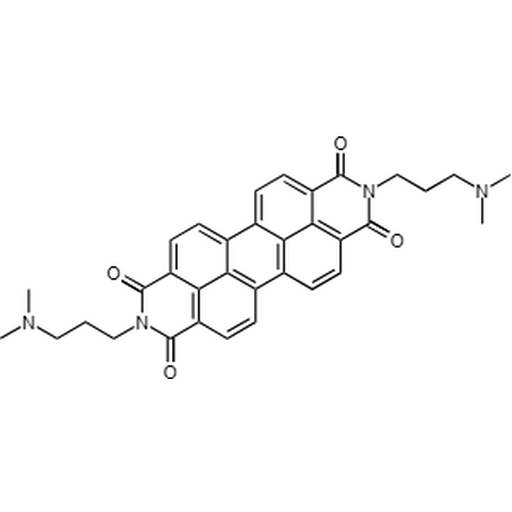
N,N’-Bis[3-(dimethylamino)propyl]perylene-3,4,9,10-tetracarboxylic diimide, commonly known as PDIN, is characterized by its unique molecular configuration. It consists of an amino group (N) on perylenediimide (PDI), which is integral to its electron-transporting properties.
Key Features of PDIN
- Electron Transporting Layer (ETL) Material: PDIN’s inherent properties make it an ideal electron transporting layer material, enhancing surface morphology in optoelectronic devices.
- Cathode Interlayer for Polymer Solar Cells: Its role as a cathode interlayer material has shown significant improvements in the performance of polymer solar cells.
- DAPER DNA Precipitation Reagent: At extremely low concentrations, PDIN is also known as DAPER, a DNA precipitation reagent, showcasing its versatility in various applications.
The Role of PDIN in Advanced Organic Electronics
PDIN’s electron-deficient nature, combined with its π-electron structure, positions it as a standout material in the organic electronics domain. This unique combination ensures efficient electron transport, which is crucial for the performance of optoelectronic devices. Furthermore, PDIN’s molecular structure promotes stable interactions with other organic materials, leading to enhanced device longevity and efficiency.
Its compatibility extends beyond just its molecular interactions. PDIN showcases remarkable adaptability with various metals, including Al, Au, and Ag. This metal compatibility is not just a mere attribute but a significant advantage. When used in devices like organic solar cells, this compatibility ensures optimal electron injection and extraction, leading to improved device performance. Additionally, the synergy between PDIN and these metals can lead to enhanced stability, reduced energy barriers, and improved charge transport – all of which are critical for the overall performance of organic electronic devices.