BDAVBi Specification: The Advanced Material in Organic Light-Emitting Diodes (OLEDs)
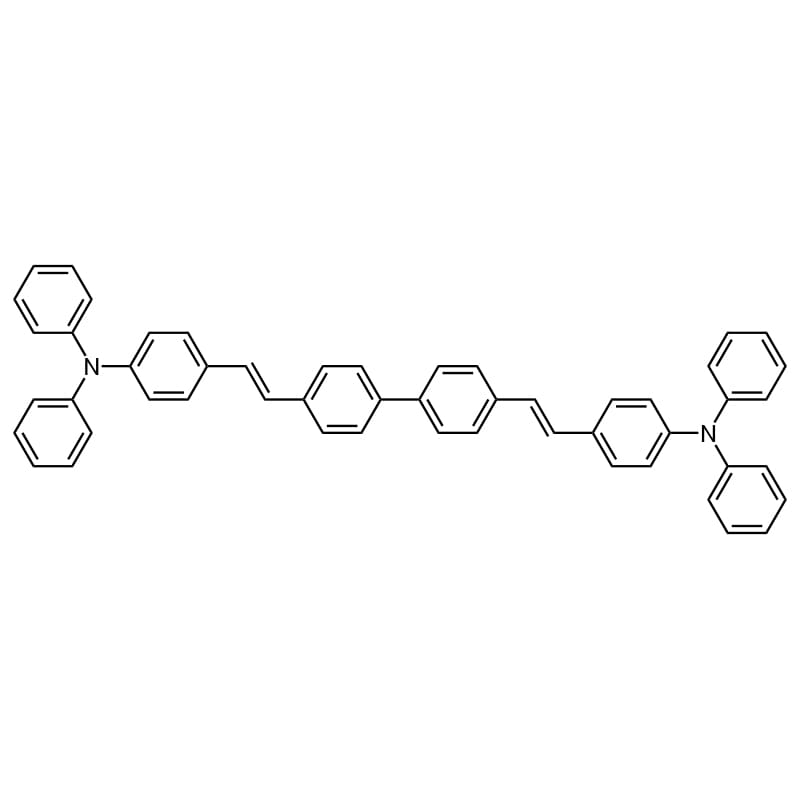
The ever-advancing field of organic light-emitting diodes (OLEDs) is sustained by a myriad of materials and compounds. Among these, BDAVBi—fully known as 4,4′-Bis[4-(diphenylamino)styryl]biphenyl—stands as a crucial component in the OLED technology stack.
Understanding BDAVBi
BDAVBi is an organic compound characterized by its unique molecular structure. This compound has a biphenyl core with two styryl groups substituted with diphenylamino moieties (electron-donating groups) at the para position of each phenyl ring. This compound holds particular significance in the sphere of organic electronic devices, including OLEDs. With a purity of sublimed >99.5% (HPLC), it is a material of the highest quality.
Key Features of BDAVBi
- Emitting Layer Material (EML): BDAVBi serves as an excellent material for the emitting layers in OLEDs. Its unique molecular structure allows for efficient light emission, making it a prime choice for blue fluorescent dopant materials.
- Blue Fluorescent Dopant Materials: BDAVBi’s unique properties make it an ideal choice as a blue fluorescent dopant material. This is particularly beneficial for OLEDs that require high-efficiency blue light emission.
- High Purity: With a purity level of sublimed >99.5% (HPLC), BDAVBi ensures that OLEDs operate with optimal efficiency and longevity. The high purity also minimizes the risk of material degradation over time.
The Role of BDAVBi in Contemporary OLEDs
In the current landscape of OLED technology, the quest for materials that offer elevated efficiency, durability, and reduced energy consumption is relentless. BDAVBi, with its multifaceted properties, aligns seamlessly with these prerequisites. Its role as an emitting layer material ensures not only optimal light emission but also an extended lifespan for OLEDs.
Konkluzja
The OLED sector is in a constant state of flux, propelled by the need for materials that are both efficient and durable. BDAVBi, endowed with a unique set of properties and functionalities, is poised to play a significant role in shaping the future of OLED technology. As research progresses and technology matures, BDAVBi is anticipated to find a widening array of applications in organic electronic devices.